Arch & Fire Home

Category

Ethics & Cultural Heritage

11 articles

The Slow Burn Inside: How Climate Change Is Destroying What Museums Worked Centuries to Save

The Slow Burn Inside: How Climate Change Is Destroying What Museums Worked Centuries to Save

Beneath the polished galleries of America's museums, thousands of irreplaceable archaeological artifacts are quietly deteriorating in storage facilities ill-equipped for a warming world. Rising temperatures and erratic humidity are accelerating decay at rates that alarm conservators — and the funding to address the crisis remains dangerously inadequate.

Clocks, Cranes, and Artifacts: The Hidden Crisis of Development-Driven Archaeology

Clocks, Cranes, and Artifacts: The Hidden Crisis of Development-Driven Archaeology

When construction crews break ground on a new commercial development, they rarely expect to become the unwitting agents of historical discovery. Yet across the United States, compliance archaeologists are increasingly called upon to salvage what they can in the narrow window between a shovel's first strike and the arrival of heavy machinery—raising urgent questions about what the nation is losing in the name of economic progress.

Paved Over: What America's Commercial Building Boom Has Buried — and What We've Lost

Paved Over: What America's Commercial Building Boom Has Buried — and What We've Lost

Across the United States, decades of commercial construction have quietly entombed archaeological sites beneath shopping centers, office parks, and strip malls. While occasional accidental discoveries hint at what lies below, archaeologists warn that the full scale of what has been lost to asphalt and concrete may never be known. The tension between economic development and cultural preservation has never been more consequential.

The Last Dig Before the Bulldozer: Inside America's Urgent World of Salvage Archaeology

The Last Dig Before the Bulldozer: Inside America's Urgent World of Salvage Archaeology

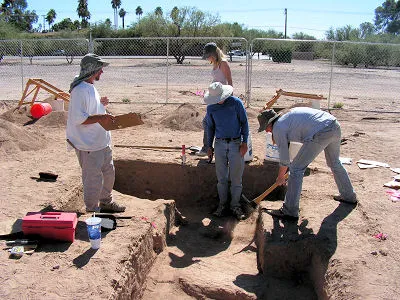
When a construction permit is approved, archaeologists sometimes have only weeks — or days — to extract centuries of human history from the earth. Across the United States, salvage archaeology teams are transforming development pressure into unexpected opportunity, uncovering colonial cemeteries beneath shopping centers and Indigenous villages under proposed highway corridors. What they find challenges assumptions about the past; what gets lost challenges assumptions about our priorities.

Thawing Ground, Vanishing Voices: The Race to Save Arctic Archaeological Sites Before They Disappear

Thawing Ground, Vanishing Voices: The Race to Save Arctic Archaeological Sites Before They Disappear

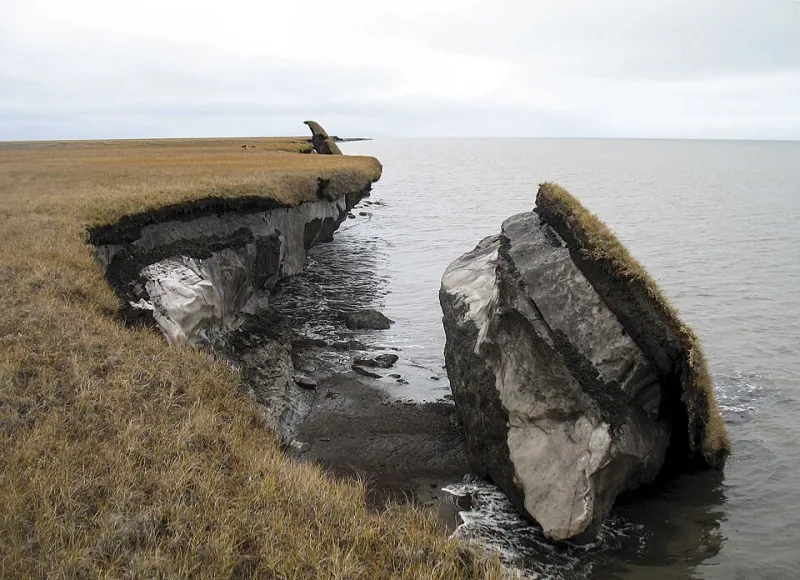
Across Alaska and Northern Canada, permafrost that has served as a natural deep-freeze for thousands of years is now surrendering its contents to warming temperatures — and not on archaeologists' terms. Ancient organic materials, structural remains, and cultural artifacts that survived intact for millennia are deteriorating within seasons of their exposure. What is being lost, and what does that loss mean for our understanding of human endurance in the harshest corners of the earth?

The Ground Beneath Our Feet: What Suburban Expansion Is Accidentally Revealing About America's Past

The Ground Beneath Our Feet: What Suburban Expansion Is Accidentally Revealing About America's Past

Every year, excavators break ground on housing developments and infrastructure projects across the United States, and with startling frequency, they uncover something far older than the blueprints anticipated. From Iroquois longhouse remnants in upstate New York to Spanish colonial refuse pits in Florida, America's suburban frontier is proving to be an unintentional archaeological excavation — one operating without a field director, a preservation plan, or adequate time to think.

Amateurs at the Trench: The Promise and Peril of Public Participation in Archaeological Discovery

Amateurs at the Trench: The Promise and Peril of Public Participation in Archaeological Discovery

Across the United States and beyond, non-professional enthusiasts are turning up artifacts that professional archaeologists never anticipated finding — and in doing so, they are both enriching and complicating the discipline. The rise of community-driven discovery raises urgent questions about ownership, methodology, and the responsibilities that come with unearthing the past. Where the excitement of public engagement meets the rigorous demands of academic research, the conversation is only begi

When the Stones Are Gone: The Promise and the Problem of Rebuilding Heritage in Digital Space

When the Stones Are Gone: The Promise and the Problem of Rebuilding Heritage in Digital Space

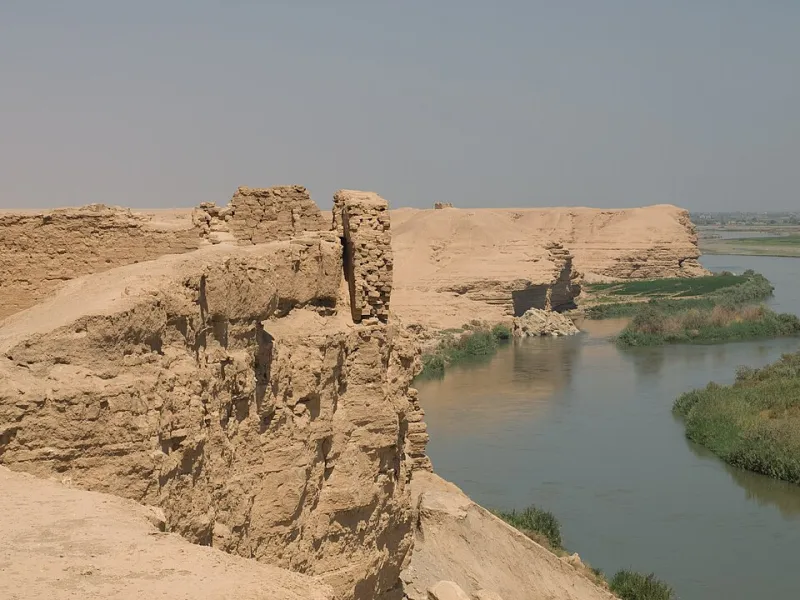
As war, looting, and unchecked development erase irreplaceable archaeological sites across the globe, a growing movement of technologists and heritage professionals are turning to 3D modeling and virtual reality to preserve what physical preservation can no longer protect. But the digital archive raises profound questions about authenticity, access, and whose version of the past ultimately survives.

The Right to Rest: When Indigenous Communities Choose the Earth Over the Archive

The Right to Rest: When Indigenous Communities Choose the Earth Over the Archive

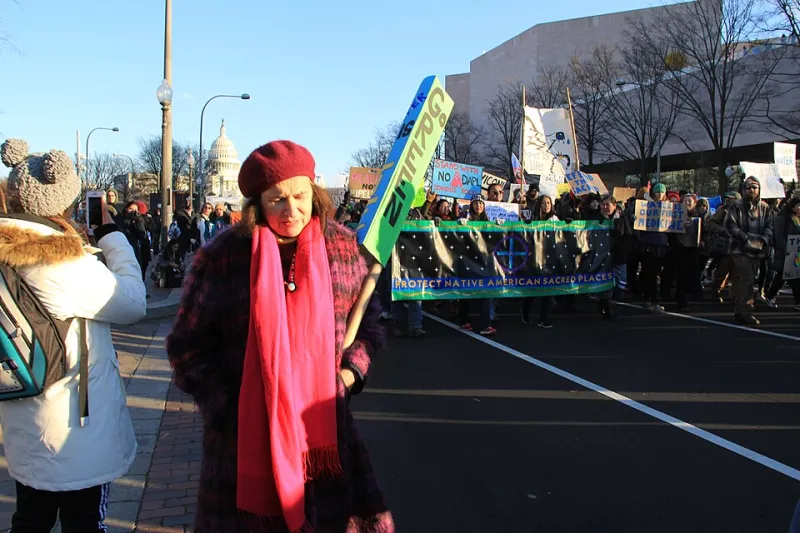
Across the United States, a quiet but consequential movement is unfolding: tribal nations are reclaiming the remains of their ancestors from museum collections and returning them to the ground. The practice raises urgent questions about the limits of scientific authority, the meaning of dignity, and who ultimately has the right to decide what happens to the dead.

Ash and Ink: The Slow Erasure of the Ancient World's Greatest Repositories of Knowledge

Ash and Ink: The Slow Erasure of the Ancient World's Greatest Repositories of Knowledge

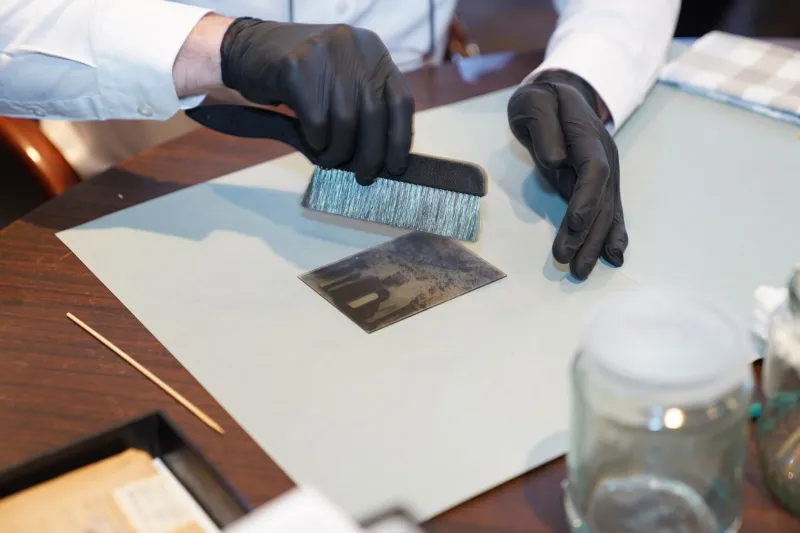
The ancient world produced libraries of astonishing scope — repositories that held the accumulated learning of entire civilizations, from Assyrian clay tablets to papyrus scrolls catalogued by Greek scholars. Most of that knowledge is gone, destroyed by conquest, neglect, and the indifference of centuries. Yet archaeologists, conservators, and digital humanists are now working to recover what fragments remain, raising urgent questions about what we have irretrievably lost and what our own instit

The Long Road Home: America's Museums Are Returning Stolen Antiquities — But Is It Enough?

The Long Road Home: America's Museums Are Returning Stolen Antiquities — But Is It Enough?

From the halls of the Metropolitan Museum of Art to the galleries of the Getty, American institutions are quietly — and sometimes reluctantly — dismantling collections built on the spoils of colonial-era plunder. Repatriation is no longer a fringe demand; it is a defining ethical challenge of our time. Whether museums are rising to meet it is a far more complicated question.